
- HOME
- Careers
- Researchers Voice
-
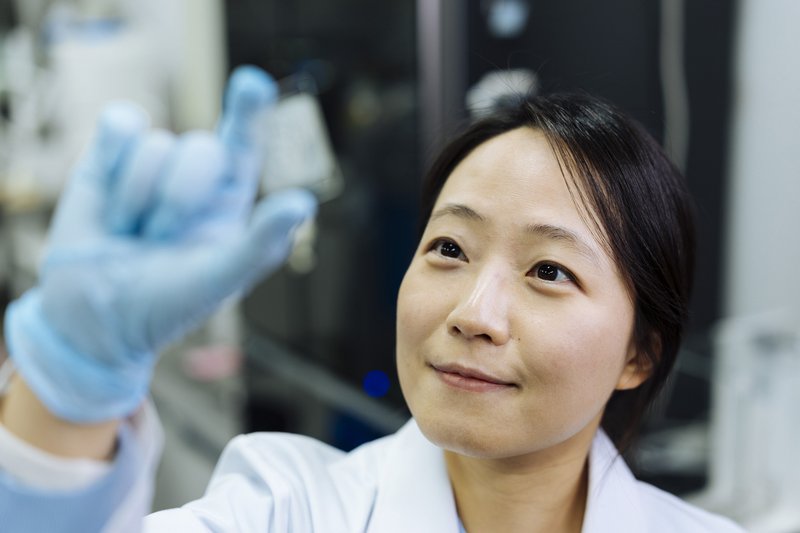
Intellectual Diversity Fosters Innovative Approaches to the Origins of Life: Hye-Eun Lee at WPI-ELSI
At WPI-ELSI, materials scientist Hye-Eun Lee investigates hydrothermal vents—potential cradles of life on Earth and beyond. In an institute where nanoscientists, planetary scientists, and chemists converge to explore life’s origins, her research bridges past and future, connecting ancient chemical processes to tomorrow’s sustainable technologies.
-
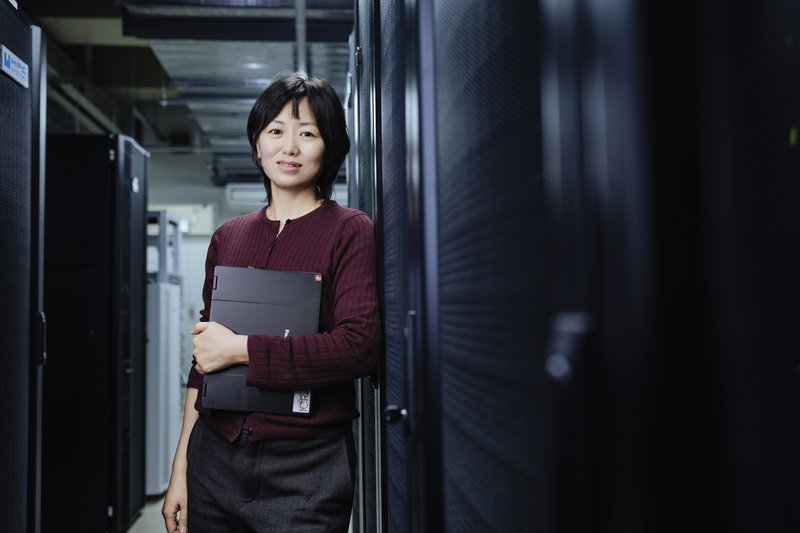
Lifting Up a New Generation of Chemists: Min Gao at WPI-ICReDD
Junior PI Min Gao pushes the boundaries of computational chemistry at WPI-ICReDD, where virtual reaction simulations reduce the need for costly experiments. Armed with supercomputers and collaborative networks, she champions both scientific innovation and the next generation of female researchers in chemistry.
-
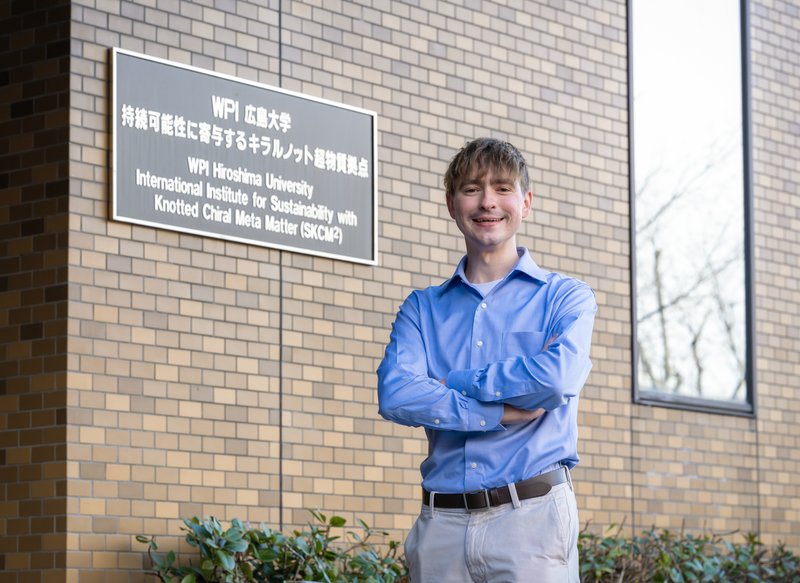
Where Global Minds Pioneer the Future of Matter: David Weston Burke at WPI-SKCM²
At WPI-SKCM², assistant professor David Weston Burke designs programmable porous materials that can capture atmospheric CO₂ or purify water—materials that change properties in response to light, force, or chemistry. In Hiroshima’s WPI Center, he has found the ideal environment for boundary-crossing science that merges mathematics, physics, chemistry, and biology.
-
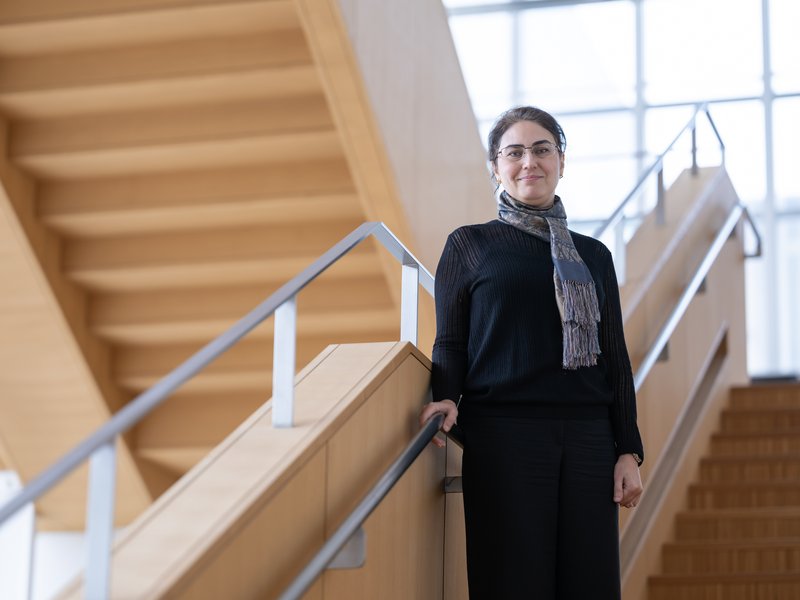
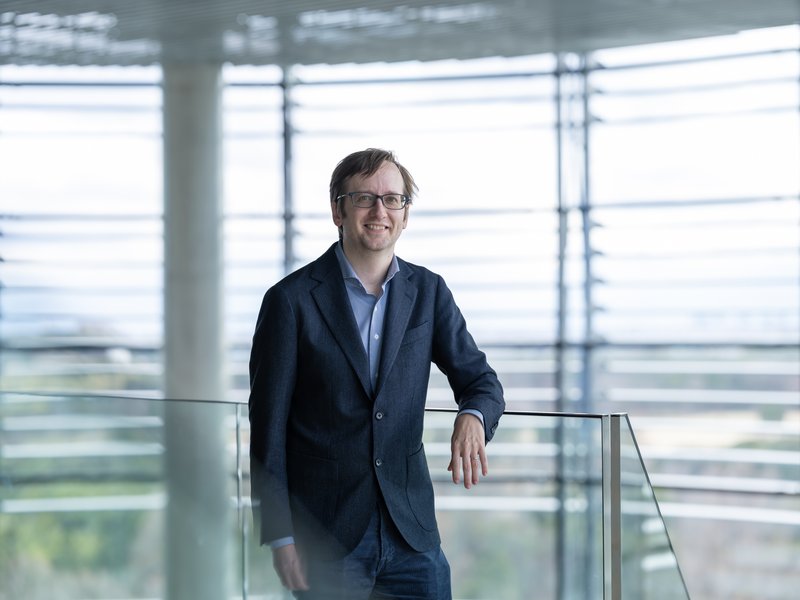
Cutting-Edge Science in a Safe, Supportive Environment: Haniyeh Bidadi at WPI-PRIMe
Plant biologist turned research administrator Haniyeh Bidadi bridges science and support at WPI-PRIMe, where “Bio-Digital Twins” are being developed to revolutionize medicine. Drawing on her diverse career spanning Iran, Japan, and both academia and industry, she helps international researchers thrive in a cutting-edge environment tackling the future of human health.
-
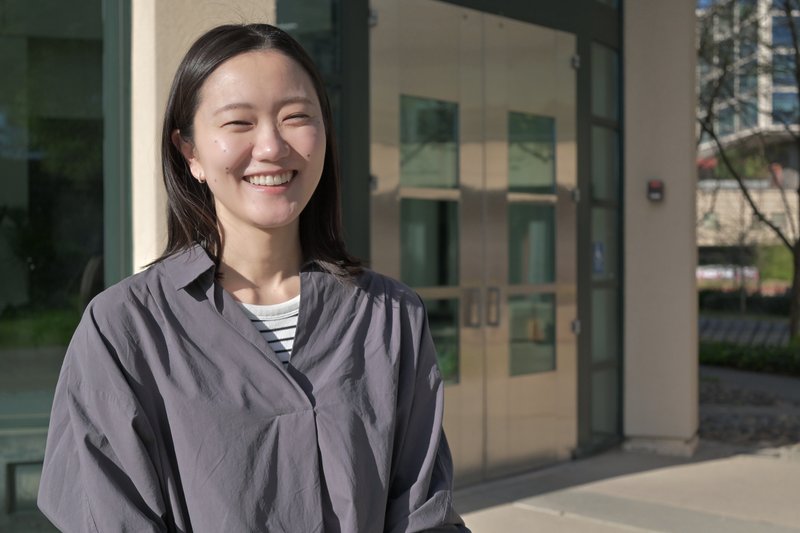
Curiosity and Collaboration Unlock Secrets of the Human Immune System:
James Wing at WPI-IFReCOne email to SAKAGUCHI Shimon, who would later be awarded the Nobel Prize, launched James Wing’s career at WPI-IFReC, where he discovered novel regulatory T cells and now leads his own laboratory researching immune responses to infectious diseases. In an institute where world-famous immunologists came together, Wing proves that bold curiosity and Japan’s premier collaborative environment can reshape our understanding of immunity.
-
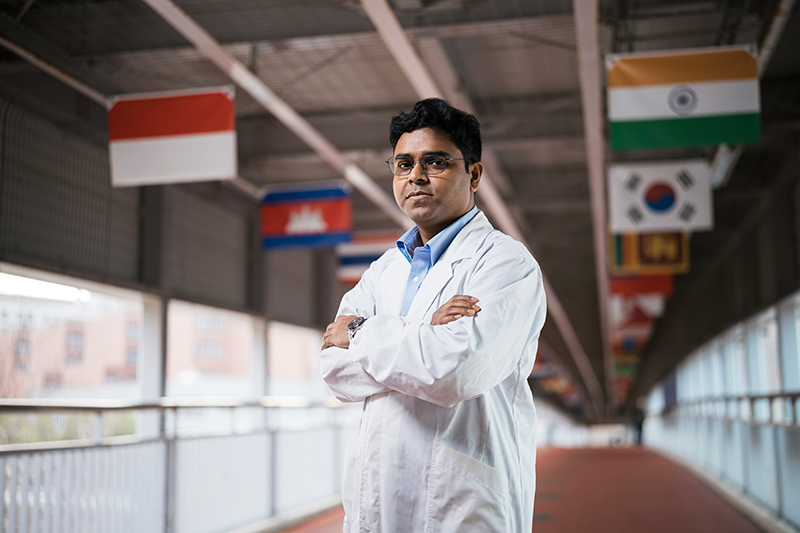
Unraveling the Nature of Sleepiness in a Global Research Environment: IWASAKI Kanako at WPI-IIIS
IWASAKI Kanako grew from curious undergraduate to Nature-published neuroscientist at WPI-IIIS, where she studied the molecular mechanisms of sleepiness under world-leading mentorship. Now at Stanford University, she credits WPI-IIIS’s “under one roof” fusion of neuroscience, pharmacology, and medicine for transforming her into a researcher who engages with the world’s leading scientists as an equal.
-
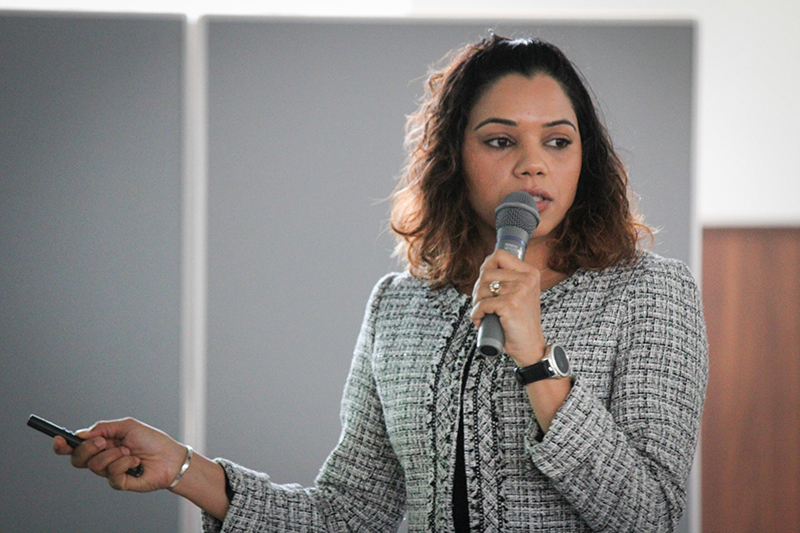
Visualizing Molecular Recognition at the Nano–Life Interface: Sk Asif Ikbal at WPI-NanoLSI
From India to Kanazawa, assistant professor Sk Asif Ikbal has grown alongside WPI-NanoLSI since its founding, bridging supramolecular chemistry with biomedical applications. Leveraging world-class nanometrology and a truly interdisciplinary environment, his research connects fundamental chemistry to efforts addressing diseases such as cancer at the nanoscale.
-
Engineering Sustainable Futures through Computational Materials Design in a Research Environment that Fosters Growth: Kulbir Kaur Ghuman at WPI-I²CNER
Now a Canada Research Chair holder, Kulbir Kaur Ghuman credits her transformative years at WPI-I²CNER for shaping her into an independent researcher tackling climate change at the atomic level. From fuel cells to carbon capture, her computational approach to designing sustainable materials was forged in WPI-I²CNER’s interdisciplinary environment bridging physics, chemistry, and computational science.
-
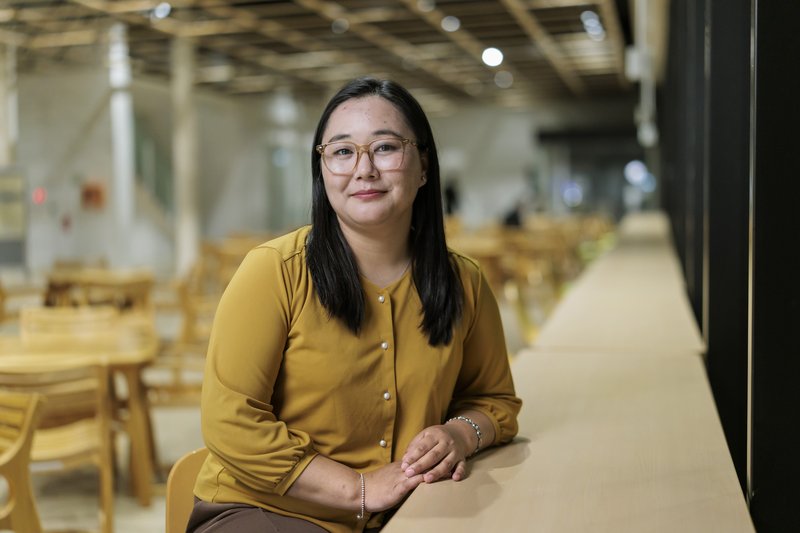
From Mongolia to Japan, Tackling the Unknowns of Nanoplastics with
Cutting-Edge Research Infrastructure: Batdulam Battulga at WPI-AIMECAt WPI-AIMEC, postdoctoral researcher Batdulam Battulga from Mongolia pioneers methods to detect and characterize nanoplastics—particles so tiny they evade conventional analysis. With access to the state-of-the-art NanoTerasu synchrotron facility and a center integrating ocean physics, ecology, and data science, she tackles one of the most pressing environmental challenges of our time.
-
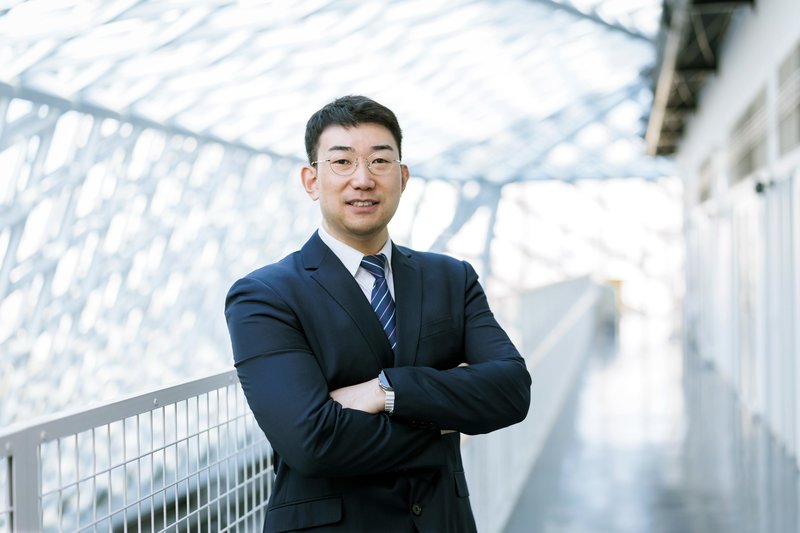
Cutting-Edge Science on Historical Premises: Tengyi Liu at WPI-AIMR
At WPI-AIMR, assistant professor Tengyi Liu converts CO₂ into useful compounds through electrocatalytic reduction—research that could help decarbonize our world. Drawn to Tohoku University by its rich scientific legacy, he found in WPI-AIMR a supportive environment where shared instrumentation, interdisciplinary tea-time discussions, and comprehensive mentorship give early-career researchers everything they need to lead.